
About Belgium
1、Country Overview
Location
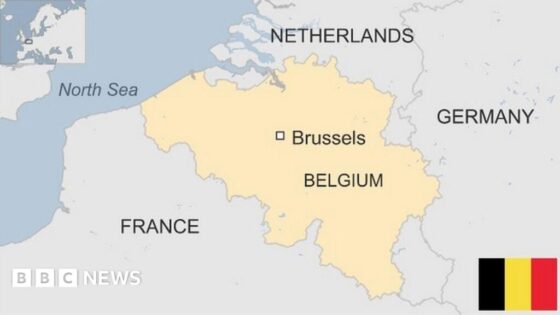
Belgium is located in the northwest of the European continent. It faces the United Kingdom across the Strait of Dover in the northwest, borders the Netherlands in the north, France in the south and southwest, Luxembourg in the southeast, and Germany in the east. The land area is 30,500 square kilometers, and the territorial waters and exclusive economic zone are 3,462 square kilometers. Belgium is divided into three major geographical regions: the seaside plains in the west, the plateaus in the middle, and the Ardennes Mountains in the east. The western plains are flat, with a coastline of 66.5 kilometers and many depressions created by enclosing the sea; the central part is a gradually rising plain area with rich land, many rivers, and sufficient irrigation; the east is the Ardennes Mountains, with rising terrain, the highest point is 694 meters above sea level, and a high forest coverage rate. The distance between the farthest two ends of the country is 280 kilometers. Belgium has a dense river network and belongs to the Atlantic water system. The main rivers flowing through Belgium are: Escau River, Meuse River and Isère River.
The capital Brussels belongs to the Eastern Zone 1, which is 7 hours behind Beijing time. From the last Sunday of March to the last Sunday of October each year, it is daylight saving time, the clocks are set forward 1 hour, and the time difference with Beijing time is 6 hours.
Climate
Belgium has a temperate marine climate. The annual average temperature is 9.7℃, the average relative humidity is 79%, the number of days with precipitation is 201, the average annual precipitation is 700-900 mm, the frost period is 74 days, and the average annual sunshine time is 1556 hours. The lowest average temperature is 5.9℃, the highest average temperature is 13.4℃, the highest absolute temperature is 33.9℃, and the lowest absolute temperature is -8.6℃. It rains a lot in all seasons, with more damp weather in winter and pleasant weather in summer.
Administrative divisions and major cities
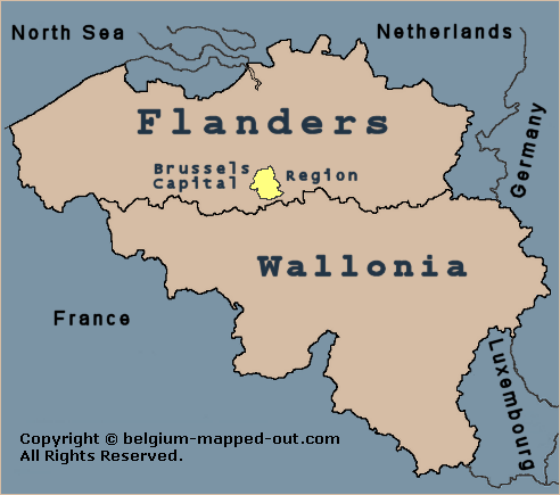
[Administrative Division] Belgium has 10 provinces, and after the merger of municipalities, there are 581 municipalities. The 10 provinces are Antwerp, West Flanders, East Flanders, Limburg, Flemish Brabant, Walloon Brabant, Liège, Hainaut, Namur and Luxembourg.
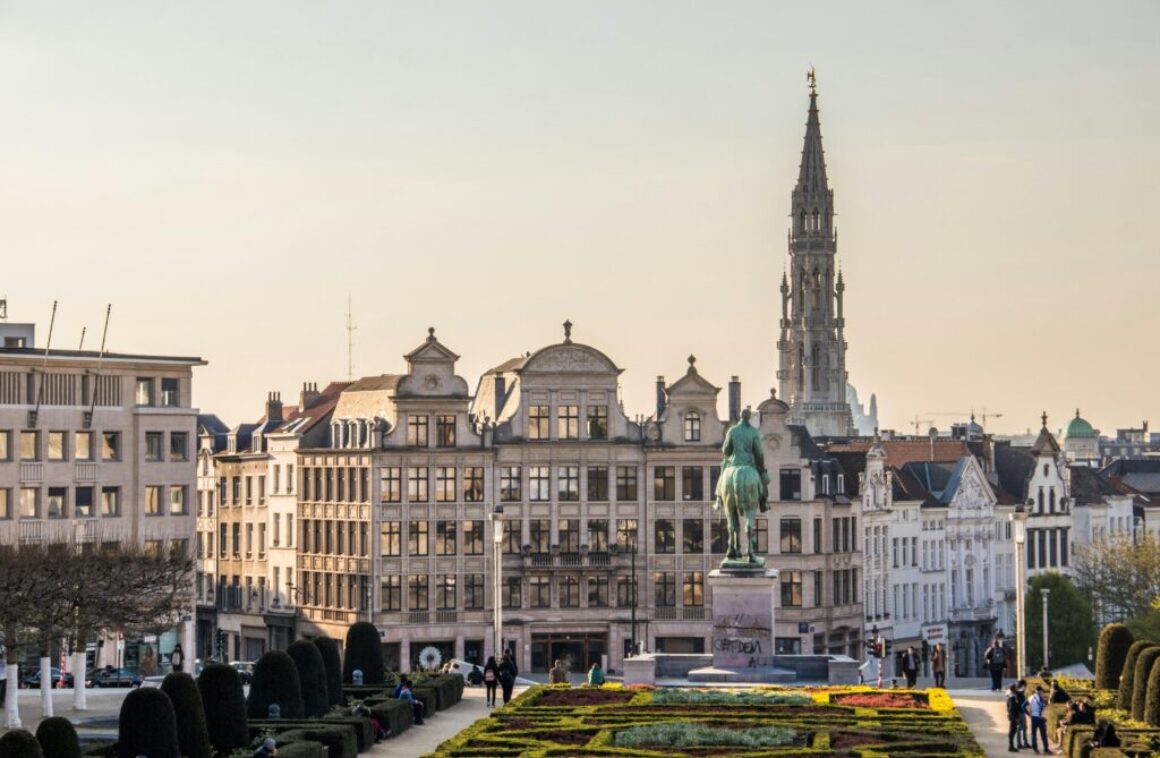
[Capital] The capital of Belgium is Brussels, with an area of 161.4 square kilometers and a population of 1.24 million, of which about 85% of the residents speak French and 15% speak Dutch; foreign population (including international organizations and diplomatic missions) accounts for about 1/3. Brussels is the headquarters of more than 1,000 important international organizations such as the European Union and the North Atlantic Treaty Organization, and is known as the “Capital of Europe”.
[Other Cities] Antwerp is the largest port and important industrial city in Belgium, and is also the world’s largest diamond processing and trading center. The Port of Antwerp-Bruges is the second largest port and the second largest container port in Europe.
Social Culture
[Ethnicity] Belgium is a multi-ethnic country. The main ethnic groups are Flemish (Dutch-speaking), Walloons (French-speaking) and German-speaking people. The rest are Italians, French, Dutch, Moroccans, etc. At present, there are about 45,000 Chinese in Belgium, accounting for about 0.38% of the total population of Belgium. The areas with more concentrated distribution are Antwerp, Brussels and Limburg Province. Most Chinese are engaged in the catering service industry, operating more than 3,000 Chinese restaurants in various cities and towns, and there are about 30 various overseas Chinese groups.
[Language] The official languages of Belgium are Dutch, French and German. The country is divided into Dutch-speaking areas and French-speaking areas. The capital Brussels is a bilingual area of French and Dutch and a small part of the German-speaking area, but French is dominant in actual use.
[Customs] Belgians are sincere, sentimental, cautious in their dealings with others, do not like to be ostentatious, and rarely show their joy in public. Dress neatly and appropriately in social occasions. When meeting guests in social occasions, take the initiative to shake hands and introduce yourself; when meeting relatives and friends, it is customary to hug each other, and close relationships can kiss each other on the cheek.
When Belgians meet and greet each other, they should put honorifics such as Mr., Miss, Mrs. and titles before the surname. However, with the popularity of fashion and the simplification of social interaction, people often call each other by their first names.
It is best to make an appointment in advance to meet with the other party in Belgium. It is impolite to visit without permission and you may even be refused to meet. Whether it is a business or private appointment, you should be on time. Belgians rarely invite outsiders to their homes. At formal or informal banquets, toasts are very measured and polite. In Belgium, people are reluctant to inquire about personal income, age, religious beliefs, emotions and other privacy when they meet and talk. Belgians mainly eat Western food, but they also have a special liking for Chinese food.

Science, education and medical care
【Technology】Belgium is known as a “small giant in science and technology”. According to the European Innovation Scoreboard released by the European Commission, Belgium’s innovation performance has remained in the first echelon for three consecutive years from 2021 to 2023, ranking among the leading innovation countries (innovation performance is 125% higher than the EU average). In the Global Innovation Index 2023 released by the World Intellectual Property Organization, Belgium ranked 23rd, up 3 places from the previous year. Benefiting from the mature cluster joint R&D model and scientific research results transformation platform, Belgium is at the world’s leading level in microelectronics, biomedicine, aerospace, energy and environmental protection. Belgium has four leading strategic research centers and many leading scientific research institutes. Among them, the most representative ones include: the Belgian Microelectronics Research Center (IMEC), the world’s largest and most advanced nanoelectronics and digital technology research and innovation center; the Belgian Industrial Technology Research Institute (VITO), which is engaged in research in the fields of clean technology and sustainable development; the Belgian Institute of Biotechnology (VIB), which is committed to life science research such as cell biology, gene expression, and cancer treatment
The Belgian Mechatronics Technology Center (Flanders Make) has strong scientific research capabilities in the fields of automotive manufacturing, intelligent mechatronic systems, and flexible robot assembly. In addition, the Belgian Nuclear Research Center (SCK·CEN) and Belgian aerospace research institutions are in a leading position in the world.
[Education] Education in Belgium is managed by the regional government, and a free compulsory education system is implemented for children aged 6-18. There are 12 universities, 45 higher vocational colleges, and 17 higher art colleges in the country. Among the six comprehensive universities in the country, the Catholic University of Leuven, founded in 1425, has the longest history.
[Health and Insurance] The Belgian medical system is divided into public and private, both of which are jointly funded by the Belgian Social Security Fund and the Medical Insurance Fund, and supervised by the Federal Public Service for Health, Food Safety and the Environment. Belgian hospitals include general hospitals, specialist hospitals and university hospitals. For specific information, please visit: https://www.health.belgium.be. The Belgian medical system is mainly based on general hospitals (General Hospital). Some general hospitals are also called university hospitals (University Hospital) because they undertake multiple functions such as medical care, education, scientific research, and innovation. Belgium also has many specialist hospitals (Categorical Hospitals). Specialist hospitals are designed to deal with non-acute diseases and provide specialist medical services for patients who need isolation or long-term care. In addition, Belgium also has a relatively complete general practitioner medical service. They do not see patients in hospitals, but provide home visits, so they are also called family doctors. In general, general practitioners are the first contact for health problems. 90% of the disease problems in Belgium can be handled and solved by general practitioners, and for the remaining 10% of the disease problems, general practitioners will assist patients in contacting hospitals and other medical service institutions for further medical treatment. Belgium’s medical insurance system is relatively complete, and all members of society can get health protection to a certain extent. The Belgian government stipulates that all Belgian citizens and foreigners living in Belgium must participate in medical insurance. Belgian medical insurance is a national social welfare system and is a compulsory insurance. About 85% of residents participate in Belgium’s comprehensive medical insurance, and the remaining 15% of residents, most of whom are independent operators or other personnel, only participate in major medical project insurance. Under this insurance system, most medical expenses, including medical and drug expenses, can be partially or fully refunded. In addition, Belgium’s medical commercial insurance is also relatively developed. In 2022, the life expectancy at birth of the Belgian population is 81.7 years. The life expectancy at birth for females is 83.8 years and for males is 79.5 years.
2、Economic overview
Key/Featured Industries
【Chemical, Plastic and Life Science Industry】Chemical, Plastic and Life Science Industry is an important industrial sector in Belgium. In addition to basic chemistry, it also includes plastic and rubber processing, pharmaceuticals and biotechnology, cosmetics, soap and detergents, and paints and varnishes. In 2022, a total of 99,000 direct jobs and 230,000 indirect jobs were created. The industry is distributed in all provinces of Belgium, among which Antwerp Province has the largest proportion. As a world-class chemical industry cluster, Antwerp’s chemical industry employment accounts for one-third of the national chemical industry; followed by Walloon Brabant Province, which has a developed pharmaceutical industry; East Flanders Province ranks third; in addition, Hainaut Province has an important basic chemical cluster in Belgium.
The chemical, plastic and life science industry is a capital-intensive industry, which occupies an important position in the Belgian industrial structure and has a high proportion of foreign investment. The industry created an added value of 22.8 billion euros in 2021, an increase of 55% in 10 years, accounting for more than one-third of the added value of Belgium’s manufacturing industry. In 2022, the fixed asset investment of this industry reached 2.99 billion euros, accounting for 32% of all industrial investment in Belgium, and the revenue reached 87.9 billion euros, a year-on-year increase of 20%, accounting for nearly a quarter of the total revenue of the Belgian manufacturing industry. This industry is the largest export industry in Belgium, with 80% of its products exported, accounting for more than one-third of the total export of goods. In 2022, the export volume reached 210 billion euros (including re-exports and international distribution centers), and the trade surplus was 36.1 billion euros, making an important contribution to the economic growth of Belgium. Belgium’s chemical, plastics and life science industries have large R&D investment, reaching 5.8 billion euros in 2022, accounting for two-thirds of the total industrial R&D expenditure. Among them, life sciences (pharmaceuticals and biotechnology) accounted for 90% of the industry’s R&D investment.
[Food Industry] The food industry is the largest processing industry in Belgium. In 2021, it created 9.1 billion euros in added value, accounting for 18% of industrial added value. In 2022, the revenue was 75.9 billion euros, accounting for 20.5% of the total industrial revenue; it attracted 2.05 billion euros in investment; and the export volume reached 35.1 billion euros, a year-on-year increase of 17.1%. Belgium’s food exports account for about 50% of the industry’s turnover. The main export products include: chocolate and cocoa products, baked goods, pork, beef and poultry, processed and non-processed or frozen vegetables, fruits and juices, milk and dairy products, beer, animal feed, margarine, lemonade and malt. The main export destinations are the Netherlands, France and Germany.
(1) Beer industry
There are more than 120 breweries in Belgium, producing more than 1,000 types of beer. AB Inbev is the world’s largest beer producer. In 2023, it ranked 241st among the Fortune 500 companies, with operating revenue of US$57.786 billion and profit of US$5.969 billion. It owns about 300 brands including Budweiser, Beck’s, Stella Artois, etc., and is headquartered in Leuven. In addition, there is the food retailer Delhaize Group, which later merged with Ahold to become Royal Ahold Delhaize. In 2022, it ranked 121st among the Fortune 500 companies, with revenue of US$91.486 billion and profit of US$2.678 billion. It is headquartered in the Netherlands. In addition, there are many historic family breweries and 6 famous monastery beer brands.
(2) Chocolate industry
There are about 350 chocolate companies in Belgium, producing more than 3,000 flavors of chocolate. Pierre Brands such as Marcolini, Godiva and Neuhaus are world-famous.
(3) Cheese industry
Belgium is a major cheese producer in the world, with more than 300 kinds of cheese products.
[Automobile industry] Automobile manufacturing is an important industrial sector in Belgium. It has assembly plants for world-class car brands such as Volvo and Audi, including a Volvo truck assembly plant, two large bus manufacturers (Van Hool and VDL Jonckeere) and several trailer and body manufacturers. It assembles and produces 500,000 cars, 40,000 trucks, buses and coaches each year, and its per capita automobile production ranks first in the EU. In addition, there are about 300 companies engaged in automobile research, design, testing and identification. Volvo Belgium is its largest vehicle manufacturer. Since Geely Group took over, the factory’s production has steadily increased.

[Aerospace] Belgium is a world leader in aerospace. Many world-renowned aircraft and spacecraft, including Airbus, Boeing, F-16 fighter jets, Rafale, Falcon 7X, Ariane 4 and 5 rocket launchers, and SPOT5 Earth observation satellites, use Belgian technology.
[Renewable Energy] Belgian technology companies are world leaders in this field, and one in every three large wind farms (greater than 2 MW) in the world uses technology from Belgian companies. The IMEC Research Center receives more than 5% of the EU’s total solar cell technology research budget; Umicore Group is committed to the development of green energy and renewable energy, and companies and consumers can enjoy incentives from the federal and regional governments. By 2020, Belgium’s energy goal is to achieve 13% of renewable energy in energy supply and 33,000 industry employees. In the past decade, Belgium’s renewable energy generation has increased by 116%. In 2021, Belgium’s total electricity generation was 100.5 TWh, and renewable energy generation was 22.7 TWh, accounting for 22.6%. Among them, wind power accounts for 12 terawatt hours, accounting for 52.8% of renewable energy power generation. With the “green transformation” of energy, offshore wind power has been listed as a key development area. In 2022, Belgium, Denmark, Germany and the Netherlands held the first “North Sea Summit” as founding countries. The four countries pledged to increase the installed capacity of offshore wind power in the North Sea to 150 gigawatts by 2050 and make the North Sea the largest renewable energy factory in Europe. In April 2023, nine European countries including Belgium held the second “North Sea Summit” in Odestan, Belgium. After the meeting, a declaration was issued, stating that the energy and industrial potential of the North Sea will be fully mobilized, and the installed capacity of offshore wind power in the North Sea will be increased to 120 gigawatts by 2030, and further increased to 300 gigawatts by 2050. If the goal can be achieved, it means that by 2030, offshore wind power in the North Sea can meet the annual electricity consumption of 120 million European households, and by 2050, it can meet the annual electricity consumption of 300 million European households. [Information and Communication Technology] Belgium is in a leading position in Europe in this field. In the early 1990s, it was one of the first countries in Europe to build a nationwide broadband network infrastructure. Many companies have set up research centers here (such as Alcatel-Lucent Bell Labs in Antwerp and Cisco’s branch in Kortrijk, the Atlanta Science Center). IMEC is the world’s leading nanoelectronics research center, and its research projects are 3-10 years ahead of industry needs. The world’s top integrated equipment manufacturers, equipment and material suppliers, system companies and electronic design automation suppliers are directly involved in the project development of the research center.
[Logistics and Transportation] Belgium is the most suitable investment location for logistics and distribution in Europe, and actively promotes the integrated development of multimodal transport networks. Its main ports are: Antwerp-Bruges Port (Europe’s largest export port, largest automobile port and largest integrated chemical cluster), Ghent Port (with Europe’s largest agricultural bulk storage equipment). Belgium has the third largest inland port in Europe, the Port of Liege. Belgium has more than 3,000 kilometers of high-quality railway network, and high-speed trains from Brussels can go directly to Amsterdam, Frankfurt, London and Paris. Belgium has five airports: Brussels, Ostend-Bruges, Antwerp, Liege and Charleroi. Liege Airport is currently the fifth largest cargo airport in Europe. The development of logistics areas around Liege Airport and Brussels Airport and the integration of logistics park resources have promoted the vigorous development of Belgium’s logistics and transportation industry.
【Creative and Lifestyle Industry】Belgium is the world’s raw diamond distribution center, controlling 80% of the world’s raw diamond transactions, 55% of processed diamonds, and 45% of industrial natural diamond transactions. The main sources of diamonds are Congo (DRC), Congo (Brazzaville), and Liberia. The main exporters are China and India. Antwerp is the world’s largest diamond processing and trading center, with the world’s only rough diamond specialized exchange, 3 finished diamond exchanges and hundreds of finished diamond wholesale offices. More than 1,800 rough diamond companies are concentrated in the 1 square kilometer Antwerp Diamond Square. “Cut in Antwerp” represents the highest level of diamond cutting technology. In 2014, the Antwerp Diamond Center completed a total of 2.272 billion carats of raw and finished diamond transactions, with a total value of US$58.8 billion. Among them, Hong Kong is the largest export destination for its finished diamonds. In addition, Belgian laminate flooring companies play a leading role in the global market. Belgium has 3 world-renowned artificial turf manufacturers, whose products are used in many major international events.
[Digital Economy] Under the guidance of the government, the degree of digitalization of Belgian enterprises is gradually improving, but it ranks in the middle and lower reaches among EU member states. The “Digital Economy and Society Index 2022” (DESI) released by the European Union shows that among the 27 EU member states, Belgium’s digital economy and society index ranks 16th, lower than the EU average and down 4 places from 2021. Among the four sub-items evaluated, Belgium has developed slowly in infrastructure connectivity and is the slowest among all member states. The progress of 5G deployment, fiber coverage and broadband price index are much lower than other countries. The 5G spectrum auction will be completed in June 2022. The first batch of 5G services will be launched in the Brussels region from September 2023, but full coverage will take several years. In terms of digital skills, there is a large gap in higher education talents in information and communication technology in Belgium. Good results have been achieved in the integration of digital technologies. The penetration rate of digital technologies in Belgian enterprises is high, especially the number of small and medium-sized enterprises using cloud and online sales is much higher than the EU average. In terms of digital public services, the number of Belgian e-government users is 9 percentage points higher than the EU average.
E-commerce has now become one of Belgium’s core competitiveness. According to data from the European Statistical Office, 75% of Belgians purchased products or services online in 2022, higher than the EU average of 68%. E-commerce accounts for 29.1% of Belgian corporate sales, higher than the EU average (17.6%), and higher than the Netherlands, Germany and France.
[Green development of energy, construction, industry, transportation and other industries]
(1) Energy. In the past decade, Belgium’s renewable energy generation has increased by 116%. In 2021, Belgium’s total power generation was 100.5 terawatt-hours, of which renewable energy generation was 22.7 terawatt-hours, accounting for 22.6%. Among them, wind power was 12 terawatt-hours, accounting for 52.8% of renewable energy generation.
(2) Buildings. From 2020, all new houses in Belgium must meet the energy efficiency index A standard. Due to historical reasons, many century-old houses have an energy efficiency index of only C, D or even F or G. Most homeowners will choose to carry out environmentally friendly renovations, and the renovated old houses can generally reach B level. In addition to using environmentally friendly materials for decoration, the Belgian government encourages people to install solar panels on their roofs.
(3) Industry. New energy vehicles have become the “new favorite” of the European automobile market. Volvo Cars continues to expand the electric vehicle production capacity of its Ghent plant in Belgium to meet the rapidly growing demand for new energy products. In 2022, the production of electric vehicles at the Ghent plant increased to 100,000 vehicles, accounting for 54% of the total production. 95% of them are exported.
(4) Transportation. Belgium vigorously promotes the development of new energy vehicles. The federal government has introduced tax reduction policies for companies to purchase electric vehicles. From 2023, the tax reduction rate for companies purchasing hybrid vehicles will decrease, and by 2026, the tax reduction policy will be limited to electric vehicles. The Brussels Regional Government has formulated a timetable for the ban on the sale of fuel vehicles, and will ban the sale of fuel vehicles and hybrid vehicles from 2035. In 2022, Belgium registered a total of 370,000 vehicles, including 130,000 hybrid vehicles, a year-on-year increase of 15%, and 37,000 pure electric vehicles, a year-on-year increase of 71%.

Infrastructure status
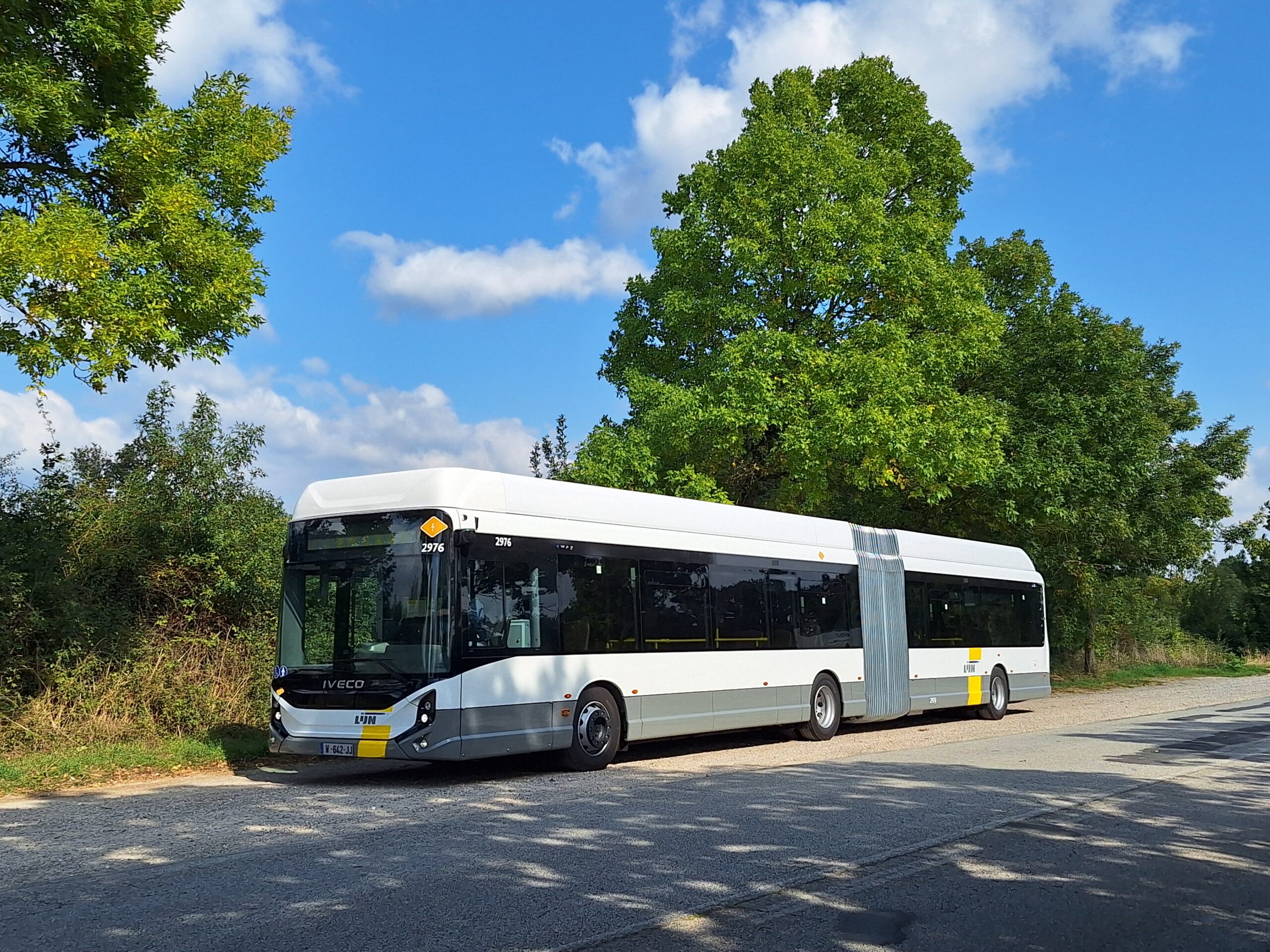
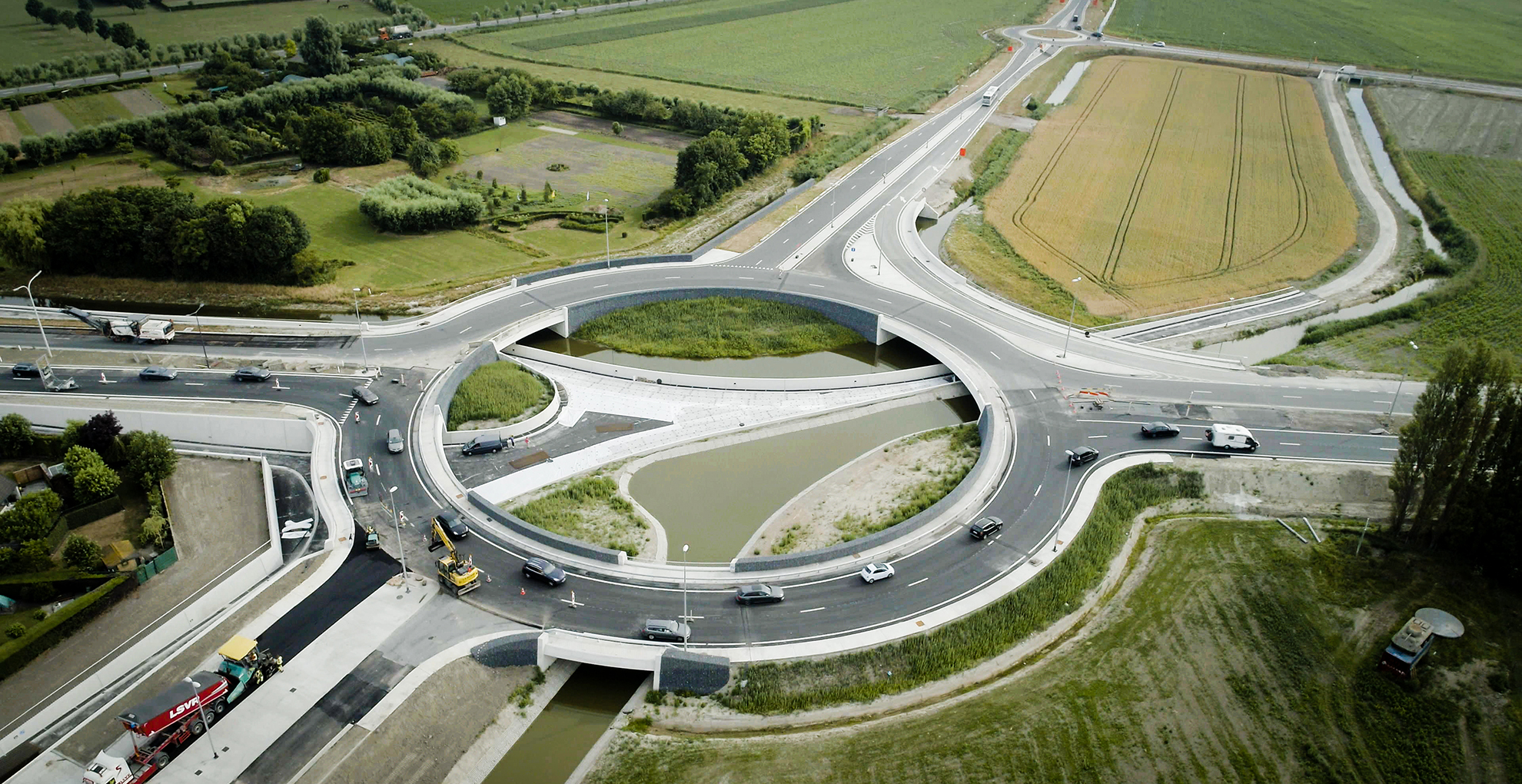
Belgium has a sound and good infrastructure. The operation capacity of transportation networks and port facilities ranks among the best in Europe. There are convenient roads, railways, water transport and air transport between neighboring countries such as Germany, France and the Netherlands, which can fully meet the hardware environment requirements of foreign investors.
[Highway] The total length of roads in Belgium is 149,000 kilometers. Among them, there are 1,763 kilometers of expressways, accounting for about 1% of the total road mileage. Brussels is only 200-300 kilometers away from Amsterdam, Paris, London, Bonn and Luxembourg. Mainland China driving licenses can be used in Belgium, but they must be translated and certified in advance before they can be used. The road freight volume in 2021 was 278 million tons.
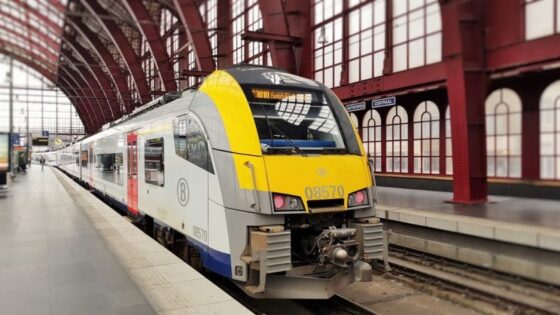
[Railway] The total length of operating railways in Belgium is 3,607 kilometers, with 551 stations. Among them, the length of electrified railways is 3,064 kilometers. The Belgian railway network is characterized by a high level of electrification, and most of them are double-track routes. The proportion of railways in land freight transportation is much lower than that of road transportation. Before the epidemic, the average annual passenger volume was 244 million and the freight volume was 63 million tons.
[Air transport] Belgium’s air transport network connects 74 cities in 49 countries and regions. Belgium has a total of 5 airports: Brussels,
Ostend-Bruges, Antwerp, Liège and Charleroi. In 2022, Belgium’s air cargo volume was 1.8 million tons and passenger volume was 28 million.
-Routes with China-Since the opening of HNA’s Beijing-Brussels passenger route in 2006, it has become an important transportation hub connecting China and Europe. In 2022, the route has a total of 103 flights, carrying 24,721 passengers in and out. From June 2023, the Shenzhen-Brussels passenger route will resume. In addition, Juneyao Airlines also has direct flights to Brussels every week.
[Water transport] Belgium’s water transport is very developed, divided into sea and inland waterway transport. There are a total of 5 seaports and 7 inland ports
The Port of Antwerp is the main import and export gateway for Belgium, the Netherlands, Luxembourg, Germany and France. The Port of Antwerp and the Port of Zeebrugge officially merged in May 2022, and the new port of Antwerp Bruges became the second largest port and the second largest container port in Europe. The port’s throughput in 2022 was 287 million tons. China is the third largest trade destination for the Port of Antwerp-Bruges, second only to the United Kingdom and the United States. In 2022, the port’s transportation volume with China (mainland) reached 19.29 million tons, and the total container traffic was about 1.7 million standard containers.
[Electricity] Belgium has diversified power resources, including nuclear power, renewable energy, and natural gas. Among renewable energy, wind energy accounts for 52.8% and solar energy accounts for 24.7%. Belgium originally planned to withdraw from nuclear power in 2025, but after the escalation of the Russian-Ukrainian conflict and the outbreak of the energy crisis in Europe, the Belgian government instead extended the service life of the two nuclear reactors by 10 years to reduce its dependence on natural gas. Belgium is interconnected with the power grids of all its neighboring countries (France, Luxembourg, Germany, the Netherlands and the United Kingdom), with a maximum commercial exchange capacity of 6,500 megawatts. Belgium is located at the crossroads of Western Europe’s natural gas network. Natural gas is completely imported and has diversified sources. The natural gas network connects Norway, the United Kingdom, and the Netherlands. Belgium has limited dependence on Russian natural gas. Most of the natural gas consumed in the country comes from Norway and the Netherlands, and the rest comes from the United Kingdom and other countries, including Qatar.
[Digital Infrastructure] According to the EU’s “Digital Economy and Society Index 2022” (DESI) report, Belgium has developed slowly in the interconnection of digital infrastructure. The progress of 5G deployment, fiber coverage and broadband price index are much lower than other countries. The 5G spectrum auction will be completed in June 2022. In September 2023, the Brussels region will launch the first batch of 5G services, and full coverage will take several years. However, the penetration rate of digital technology in Belgian enterprises is high, especially the number of small and medium-sized enterprises using cloud and online sales is much higher than the EU average. E-commerce is competitive among EU member states. E-commerce accounts for 29.1% of Belgian corporate sales, which is higher than the EU average (17.6%) and exceeds the Netherlands, Germany and France.
-Telecommunications-According to statistics from the International Telecommunication Union (ITU), by the end of 2023, there were 4.489 million fixed-line telephone users in Belgium, with a penetration rate of 40.1%; in recent years, the number of mobile phones has continued to rise, with a penetration rate of more than 115.7%. Belgium’s telecommunications consumption costs are relatively high, ranking among the top in the European Union.
-Internet-The government attaches great importance to broadband network services. By the end of 2023, the household network penetration rate was 85.1%, and there were 4.121 million registered Internet users, most of whom were broadband users.
-Post-In 1963, the law required that every Belgian household must be equipped with a mailbox. In 1969, Belgium introduced postal codes and joined the Universal Postal Union in 1970. The rise of the information industry and the growing development of mobile communications, the Internet and e-commerce have brought increasing pressure to the postal business. At present, the Belgian postal market has liberalized the market for parcels over 50 grams, and DHL, TNT, FedEx, etc. are all operating in Belgium.
Economic and Trade Agreements
【Multilateral Economic Cooperation】The Benelux Economic Union Treaty (Benelux Economische Unie/Union Économique Benelux) was signed in 1958 and came into force in 1960. It aims to promote the free flow of people, capital, services and goods among the three countries. The secretariat of the union is located in Brussels.
【Free Trade Agreement】Beijing, as a member of the European Union, negotiates and signs a free trade agreement under the multilateral framework of the European Union. On July 1, 2000, the European Union and Mexico signed a free trade agreement, and the two sides gradually achieved trade liberalization according to different transition periods. The European side abolished all industrial tariffs in 2003, and Mexico abolished all tariffs in 2007. Both sides also phased out tariffs on agricultural and fishery products before 2010. The European Union and Mexico launched negotiations to upgrade the EU-Mexico Free Trade Agreement in 2016.
【International Agreement】Beijing, as a member of the European Union, participates in the United Nations Framework Convention on Climate Change under the multilateral framework of the European Union.
[Radiated Market] Belgium is a member of the World Trade Organization and the European Union; Belgium participates in all regional trade agreements signed by the European Union. Relying on its first-class business infrastructure (modern and complete road system, dense railway network, highly developed seaports and waterway system connected to canals in neighboring countries, multimodal transport system combining sea, road and rail, efficient aviation network and modern telecommunications services), Belgium’s radiation market is mainly concentrated in central and western Germany, central and northern France, the entire Netherlands, central and southern Britain and Luxembourg. Statistics from the Wallonia Investment Bureau of Belgium show that a four-hour truck trip can cover about 500 million consumers in the European market.
Foreign Trade
Belgium is a developed industrialized country, but it is poor in natural resources and its economy is highly dependent on foreign countries. 80% of its raw materials are imported, and more than 50% of its industrial products are exported. In recent years, its exports of goods and services have exceeded twice its GDP, and its per capita exports are among the highest in the world.
[Trade in Goods] The main imported commodities are chemical products, mineral products, electromechanical equipment, transportation equipment, base metals, plastics and rubber, gemstones and precious metals, etc.; the main exported commodities are chemical products, mineral products, transportation equipment, electromechanical equipment, base metals, plastics and rubber, food, etc.
[Trade in Services] The main export services are other commercial services, transportation services, communication services, financial services, and travel services; the main imported services are other commercial services, transportation services, travel services, communication services, and financial services.
Attract investment
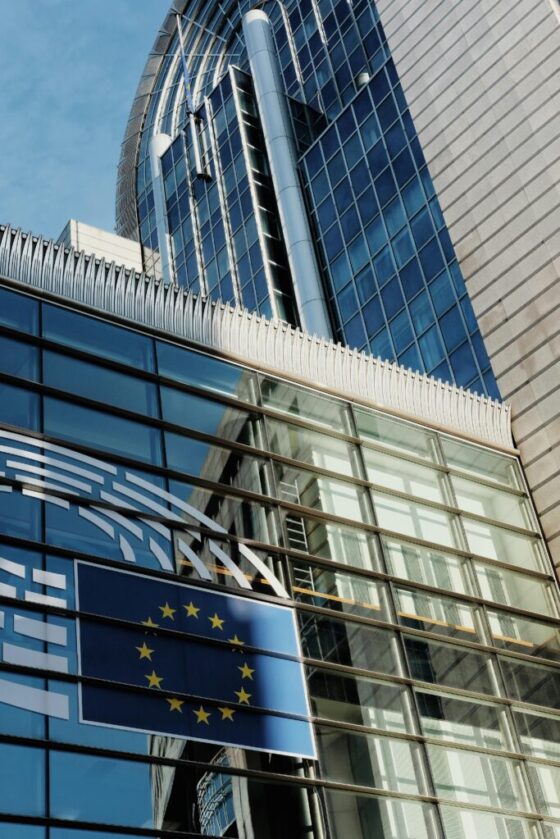
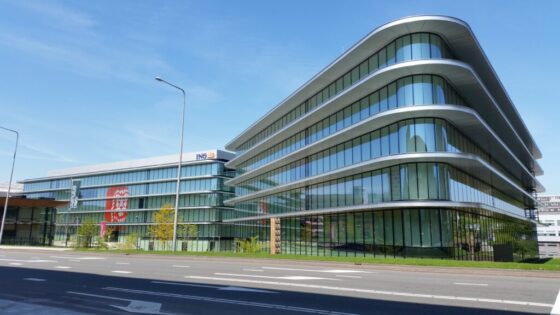
The Belgian government encourages foreign investment, which plays a role in promoting employment and expanding exports. The main investment sectors are industry and services. Belgium is a country in Western Europe that absorbs more foreign direct investment. Many multinational companies set up European headquarters and European branch centers in Belgium. Foreign-funded enterprises investing in Belgium mainly come from the United States and EU countries such as France, Germany, and the Netherlands. In recent years, Chinese companies have increasingly invested in Belgium. The industries involved in foreign investment mainly include telecommunications, pharmaceuticals, energy, banking, and insurance. At present, many of the world’s top 500 companies have invested in Belgium, including well-known multinational companies such as Microsoft, Google, GlaxoSmithKline, Volkswagen, BNP Paribas, and ING.